Digital transformation is not a new concept, but it has gained more attention and relevance in recent years. According to Google Trends, the term “digital transformation” has been steadily rising in popularity in the United States since 2015, reaching its peak in October 2021.
But what does digital transformation mean, and why is it important for businesses and organizations? In simple terms, digital transformation is the process of using digital technologies to create new or modify existing business processes, products, services, and customer experiences. It is not just about adopting new tools or platforms, but about changing the way of thinking and operating in a digital era.
The Benefits & Challenges
Digital transformation can bring many benefits, such as:
Improving efficiency and productivity
Enhancing customer satisfaction and loyalty
Increasing innovation and competitiveness
Reducing costs and risks
Creating new revenue streams and business models
However, digital transformation also comes with many challenges, such as:
Managing change and resistance
Aligning strategy and culture
Developing new skills and capabilities
Integrating data and systems
Ensuring security and compliance
Define, Develop And Resolve
To overcome these challenges and succeed in digital transformation, businesses and organizations need to adopt a strategic and holistic approach that involves:
Assessing the current state and identifying the gaps and opportunities
Defining the vision and goals and aligning them with the business objectives
Designing the roadmap and prioritizing the initiatives
Implementing the solutions and measuring the outcomes
Evaluating the results and iterating the process
Digital Transformation is a Journey
Digital transformation is not a one-time project, but a continuous journey that requires constant adaptation and learning. It is also not a one-size-fits-all solution, but a customized one that depends on the specific needs and context of each business and organization.
Therefore, to stay ahead of the curve with digital transformation, businesses and organizations need to:
Monitor the trends and best practices in their industry and beyond
Listen to their customers and stakeholders and understand their expectations and feedback
Experiment with new technologies and methods and learn from their failures and successes
Collaborate with partners and experts who can provide guidance and support
Empower their employees and leaders who can drive the change
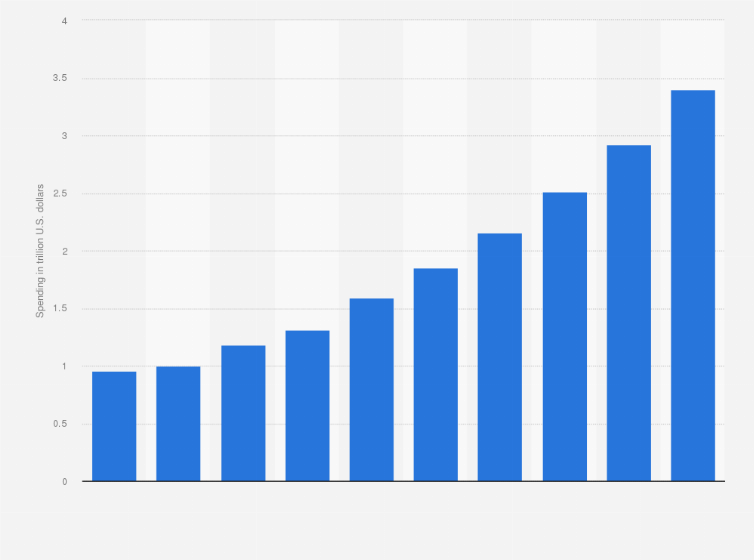
To illustrate some of these points, here are some statistics and a chart that show the value at stake from digital transformation:
The digital transformation market is worth $588 billion
Global spending on digital transformation is expected to hit $3.4 trillion by 2026
74% of organizations consider digital transformation a top priority
Top economic performers report capturing 50% of the full revenue benefits from their recent transformations, compared with 31% across all respondents